Film & Sound · October 16, 2026
I Believe in Movie Scores
By Auden McCoy
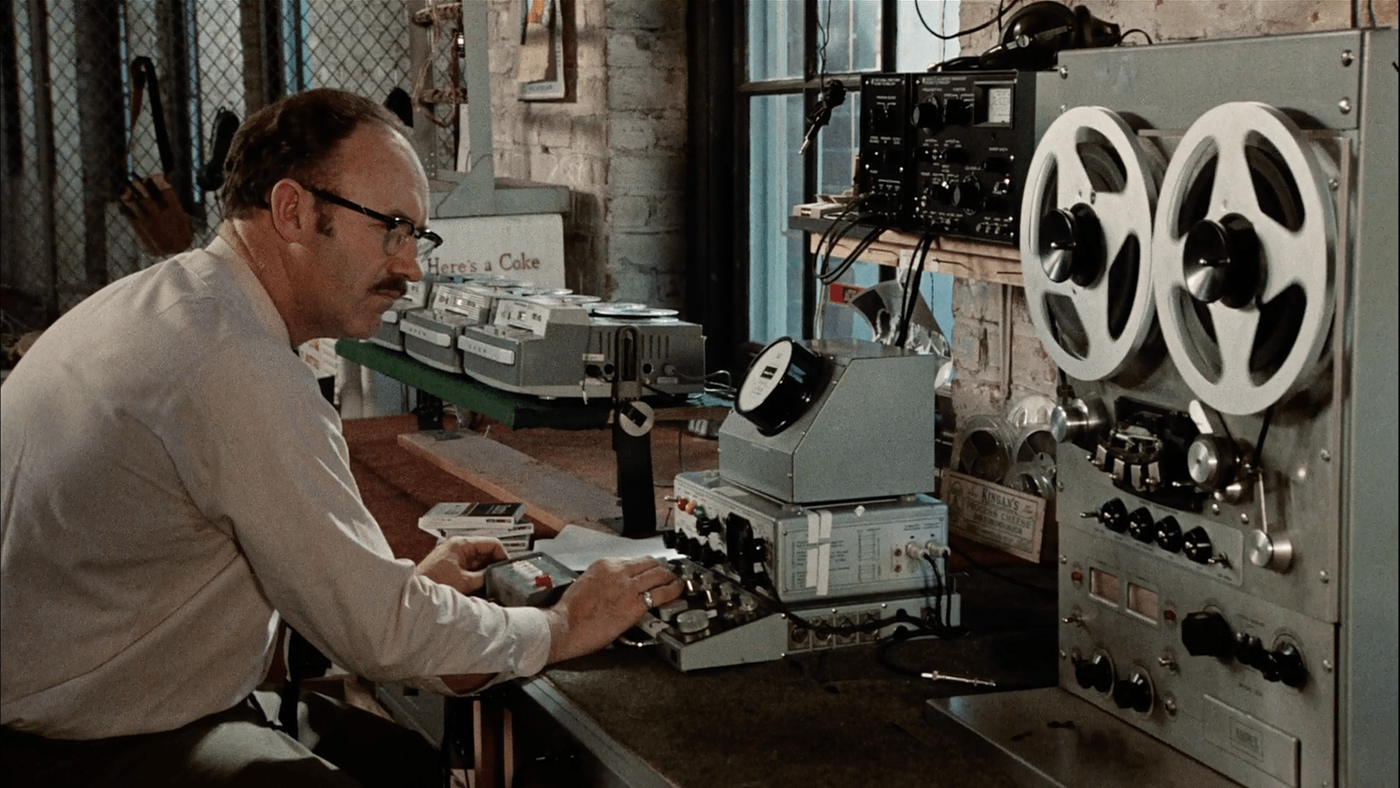
There is a moment in every movie where the music seems to know what I am feeling before I do. In Francis Ford Coppola's The Conversation, music is a vital part of the storytelling process of the protagonist's sad, lonely life. The score promotes an unflinching feeling of dread, moment to moment, and gives the audience a vivid look into what Harry Caul's feelings may be in this particular scene. A perfect crescendo, a complex string of notes, gives way to an ostinato, the frames moving almost seamlessly with the waves of music. This piece, to me, is an extremely meaningful moment in the history of art. And I believe film scores are one of the most powerful and overlooked art forms in the world of art.
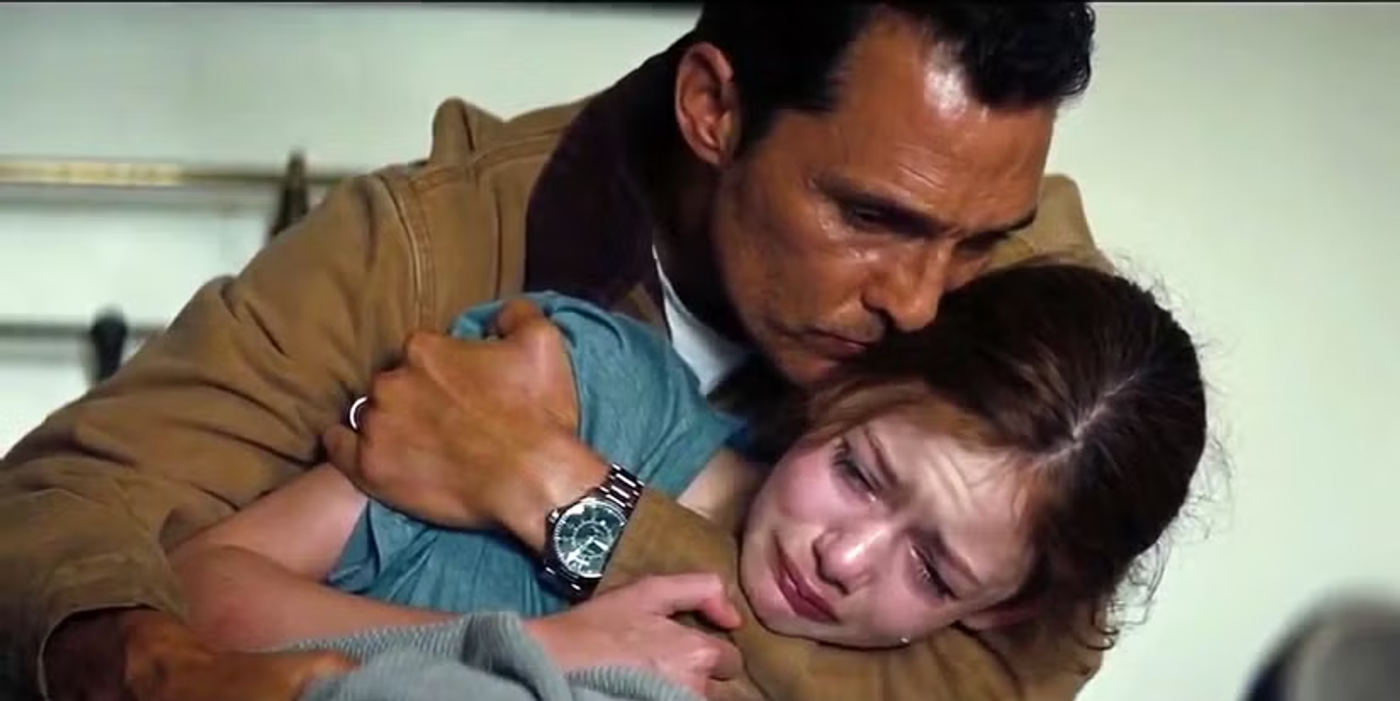
We see this not only in The Conversation but hundreds of other films like it. In particular, a modern composer Hans Zimmer brings an originality through his instrumentation and rhythmic layering that is honest about its inspiration and influence. While he has the epic and grandissimo feel like John Williams, there is a specific niche to his sounds. Zimmer has stated he is influenced by classical and experimental traditions, therefore giving him his recognizable blend between classical and rock. Williams often uses leitmotifs tied to characters; while Zimmer uses textural and rhythmic development to create mood. In Christopher Nolan's Interstellar, Zimmer composed a soundtrack that made an undeniably large impact on the possible success of a film composer. When Nolan went to Zimmer and asked him to make the score for his film, he told him only that it was about a father and his daughter. Zimmer wrote the melody from his own experience based on Nolan's limited information. This specific piece is found in the cornfield chase scene and with it Zimmer wrote the rest of the colossal yet intimate musical experience. Using the full capabilities of the pipe organ to convey the vastness of space and the urgency of time, while simultaneously evoking feelings of love, nostalgia, and loneliness through its intimate, searching melodies and steady, clock-like rhythms. This ability is why I believe film scores are a way unlike any other to tell an entire story in only a melody. I believe in movie soundtracks, not just as decoration for stories, but as stories themselves.